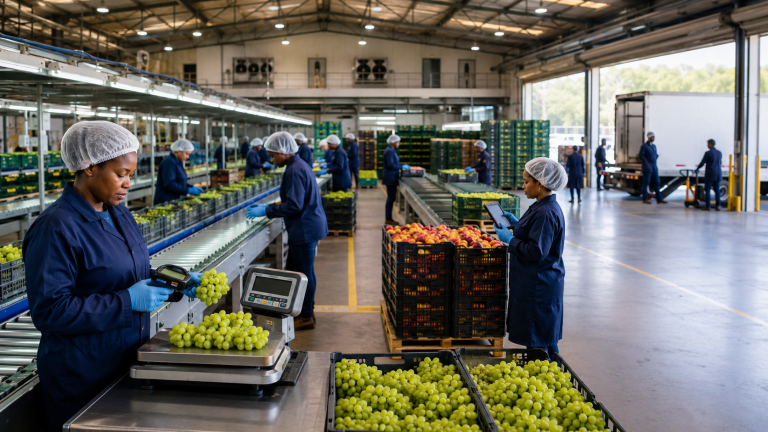


When people talk about traceability, the conversation often starts with compliance.
Can we trace this product back to its source? Can we respond to an audit? Can we manage a recall?
All important questions.
But I think we sometimes miss the bigger opportunity.
Good traceability doesn’t just tell you where something came from. It tells you what happened to it along the way.
Think about a packhouse or processing operation.
If I can follow product from receiving, through processing and packing, into finished goods and ultimately dispatch, I am creating much more than a compliance record.
I am creating an operational history.
That history can help answer questions such as:
- Which growers or suppliers consistently deliver better quality?
- Where are we losing yield?
- Where is waste occurring?
- Which batches experienced problems?
- Where are the bottlenecks in our process?
And this becomes even more interesting as AI develops.
AI is only as useful as the information it has to work with. A rich traceability record gives us the foundation to identify patterns, spot anomalies and potentially highlight problems before someone goes looking for them.
So perhaps we need to stop thinking about traceability simply as something we have to do.
Done properly, traceability isn’t just about proving what happened.
It’s about understanding what happened, and using that knowledge to run the business better.